
The Brief
Mitumba, M-Pesa, building: where Kenya's small firms fit
Second-hand clothes, mobile money and building work are worth billions of shillings in Kenya. They reach buyers through thousands of small connections, and each one is a business.
In 2025, 18.1 million Kenyans worked in the informal sector. Most of them serve buyers who are already spending.
On a water project, the big main is only half the job. The water reaches people through thousands of small pipes, and each one has to be laid and kept running.
Kenya’s trade, mobile money and building work are built like that network. This guide is for starters with KSh 10,000 to 100,000. It shows three busy networks, what each needs, and how to stay safe.
Get one real business opening in Africa each week, sized in dollars. Free.
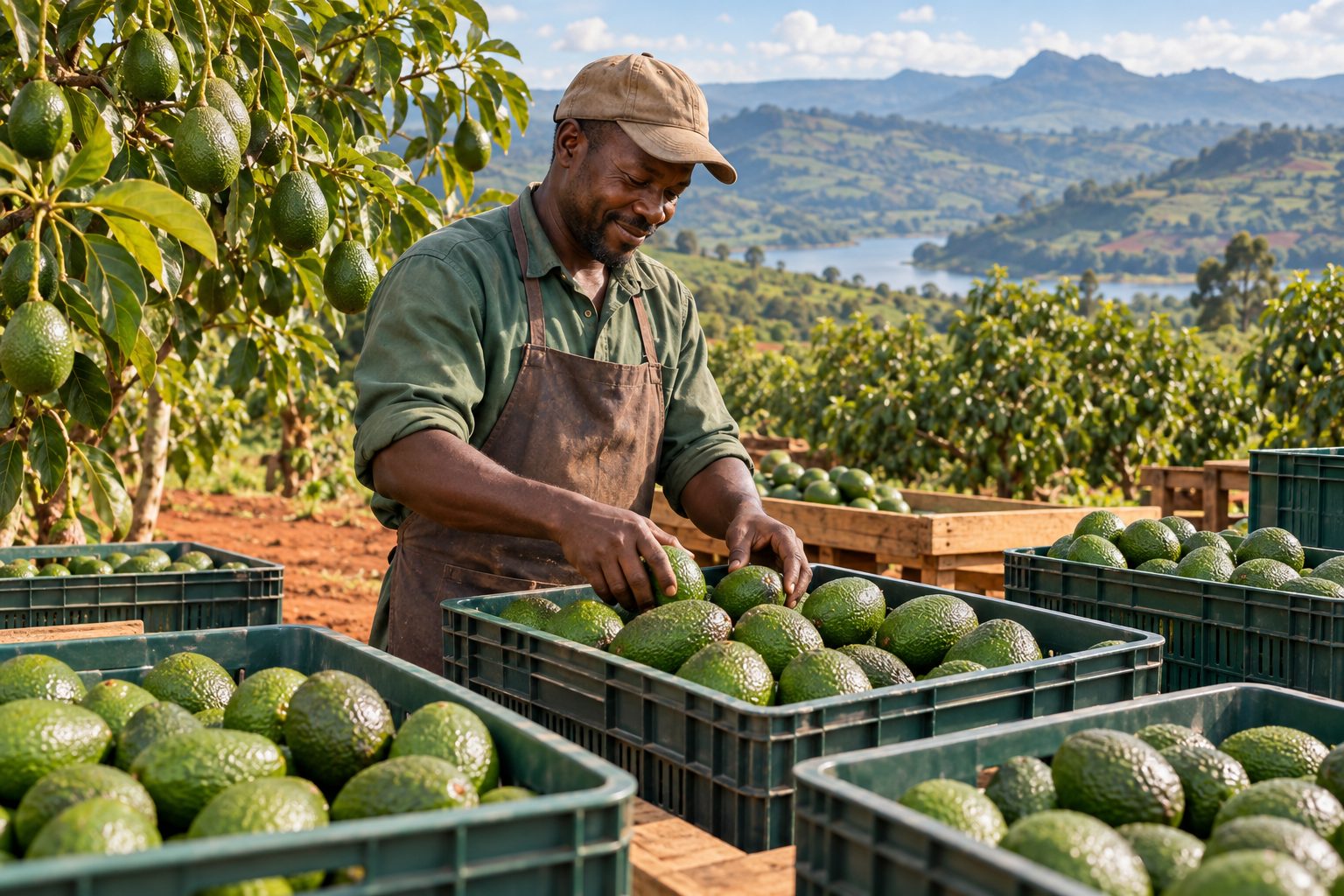
Kenya’s new work is growing in small businesses
Most new work in Kenya is in small, informal businesses. In 2025 the informal sector added 716,800 jobs and grew 4.1 percent. Trade, hotels and restaurants gave work to 10.7 million people in that sector, more than half of all informal jobs.
That tells you where buyers already spend. Shops, food stalls and market traders serve millions of people every day.
A busy market is good news for a beginner. It proves people buy.
Your job is to serve them a little better, closer or more reliably than the next seller. A small, useful place in a busy trade is enough to start.
Trade is the biggest door
Of all small business ideas in Kenya, trade is the biggest door, and second-hand clothes show its size. Kenya imported mitumba worth KSh 14 billion from January to June 2025. That was about 3.7 percent more than a year before.
Every bale that lands needs sorting, selling and delivery. A beginner can buy a small bale, sort it by size and quality, and sell the best pieces online or at a stall. Others sell sorted pieces to busy traders who have no time to sort.
Food works the same way. Vegetables, cooked food and snacks sell every day near offices, schools and bus stages.
Start with one product you can make or buy well, in one spot. Count what you sell each day for a month before you add a second product.
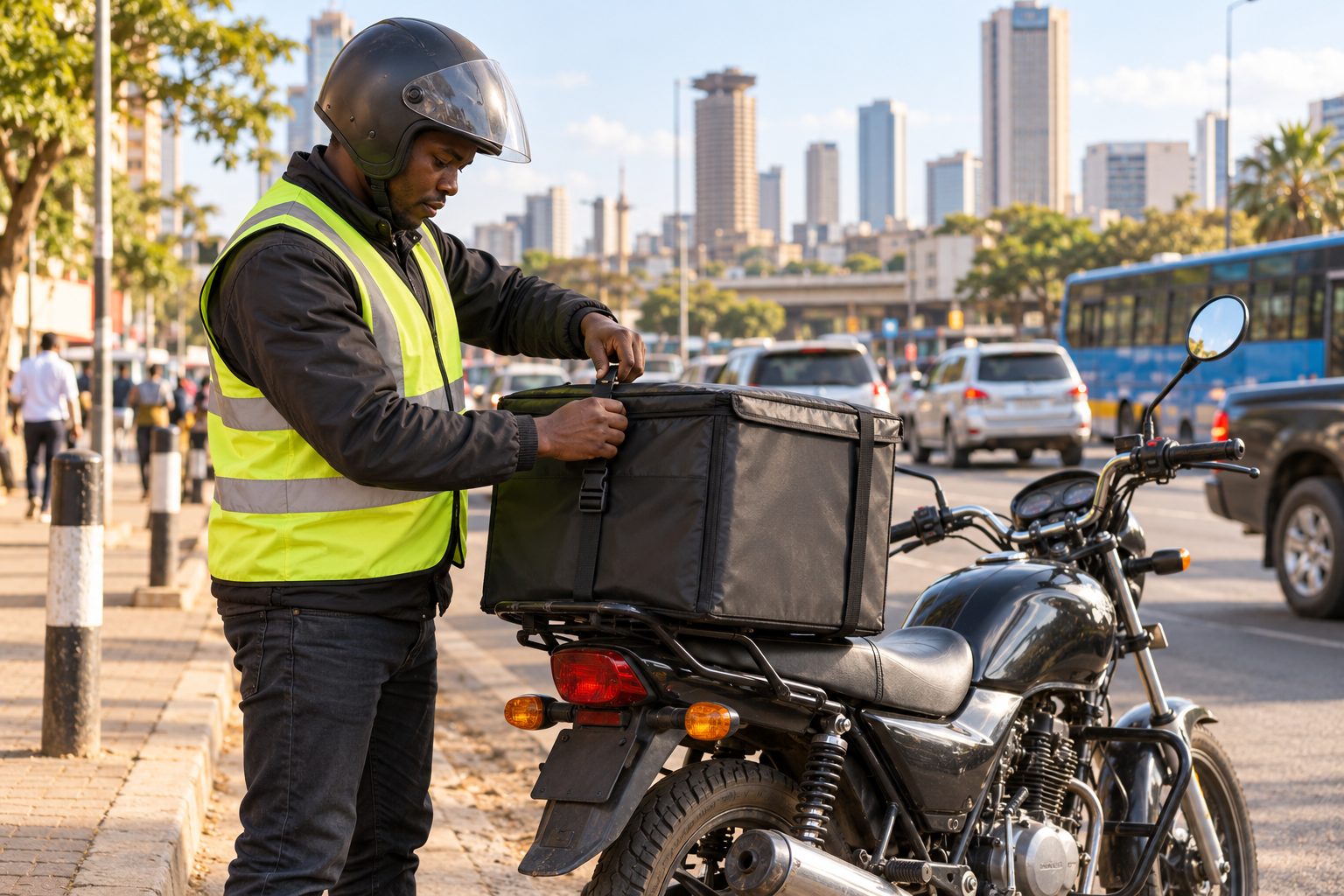
Mobile money runs through small shops
Mobile money agents are one of Kenya’s biggest small-business networks. Active agents rose from 381,116 in December 2024 to 473,536 in December 2025. In August 2026 there were 563,605, after a high of 621,389 in March 2026.
In August 2026, Kenyans paid in and took out KSh 761.13 billion at agents. Small shops handle all of it, and each deposit and withdrawal earns the agent a small commission.
Most beginners start as a sub-agent under a larger dealer. A 2026 guide puts the starting float at about KSh 100,000 to 300,000, plus rent and equipment.
Your float stays your money, but it is tied up in the till. Ask a Safaricom dealer for the current rules before you sign.
Building work grew fastest in 2025
Construction had the fastest growth in Kenya’s informal sector in 2025, at 6.7 percent. New homes, shops and repairs need many hands, so there is room for small firms with a clear skill.
Think of tiling, plumbing, wiring, painting or welding. You can also deliver sand, cement and tools to small sites, or rent out tools by the day.
Skill matters most here. A short course and a few months as a helper can build trust with clients.
Take photos of every finished job, so the next client can see your work. Start with small repairs near you, and price each job before you begin.
What is the best business to start in Kenya with 50k?
With KSh 50,000, the best start is a trade you can test in one month. Buy stock in small amounts, sell it fast, and count your profit each week. Keep part of the money back for a second round of stock.
The table shows how far each budget can go. Get your own prices from at least three suppliers.
| Your budget | One idea | What it takes |
|---|---|---|
| KSh 10,000 | Snacks, vegetables or sorted mitumba for people you know | A good spot, daily records, fast stock turns |
| KSh 50,000 | A stall or online shop with one clear product line | Steady suppliers, a phone for orders, M-Pesa |
| KSh 100,000 | A mobile money outlet, or tools for a building trade | A float or tool kit, a dealer or skill, a safe place |
A new stall often makes less at first, so plan to live on other income for the first few months.
Register, pay tax and stay safe
Register your business name with the Business Registration Service on eCitizen. Then get a permit from your county, and check the current fees on the portal before you pay.
Since July 2023, turnover tax has been 3 percent of gross sales. It covers resident businesses with yearly sales above KSh 1 million and up to KSh 25 million.
It is a final tax on sales with no costs deducted. If you are unsure which tax applies, check with the Kenya Revenue Authority.
Never pay a fee to get work or a “business slot”. Check that money is in your own M-Pesa balance before you hand over goods. A text that looks like proof of payment can be fake.
What to watch
- By the end of November 2026: the CBK count of active mobile money agents for September and October, after 563,605 in August 2026.
- By the end of December 2026: mitumba import figures for the first half of 2026, compared with KSh 14 billion for January to June 2025.
- By May 2027: the next KNBS Economic Survey, and whether construction is still the fastest growing informal sector.
Start with one network
Pick one: trade (clothes or food), mobile money or building. Spend one week where it is busiest, and write down what buyers ask for and cannot find.
Then test one product or service with a small amount of money for a month.
Every week we size one real business opening in Africa, like Kenya’s mitumba trade, in dollars. Get next week’s free.
FAQ
What are the best business ideas in Kenya in 2026?
Strong ideas join trades that are already busy. Trade and food, second-hand clothes, mobile money and building work all serve millions of buyers. Construction grew fastest in the informal sector in 2025, at 6.7 percent, so pick the trade you can reach this week.
What business can I start in Kenya with 10k?
With KSh 10,000, start small and sell fast. Snacks, vegetables or a few sorted mitumba pieces can work near busy places. Keep daily records, sell for cash or M-Pesa only, and grow after a month of steady profit.
What business can I start in Kenya with 100k?
KSh 100,000 can cover the low end of a mobile money float, which a 2026 guide puts at about KSh 100,000 to 300,000. It can also buy tools for a building trade. Check costs with suppliers and dealers first, and keep some money back for rent.
Do I pay tax on a small business in Kenya?
Since July 2023, turnover tax has been 3 percent of gross sales. It covers resident businesses with yearly sales above KSh 1 million and up to KSh 25 million. Register your business, hold a county permit, and check your case with the Kenya Revenue Authority.
The Brief
Get Next Week's Opening.
- How big it is, in dollars.
- What has to be true for it to work.
- Who is placed to move first.
Free. One email a week. One click to leave.